

By 2030, one in five Americans will be a senior citizen, and the necessity for elder care will only continue to grow.
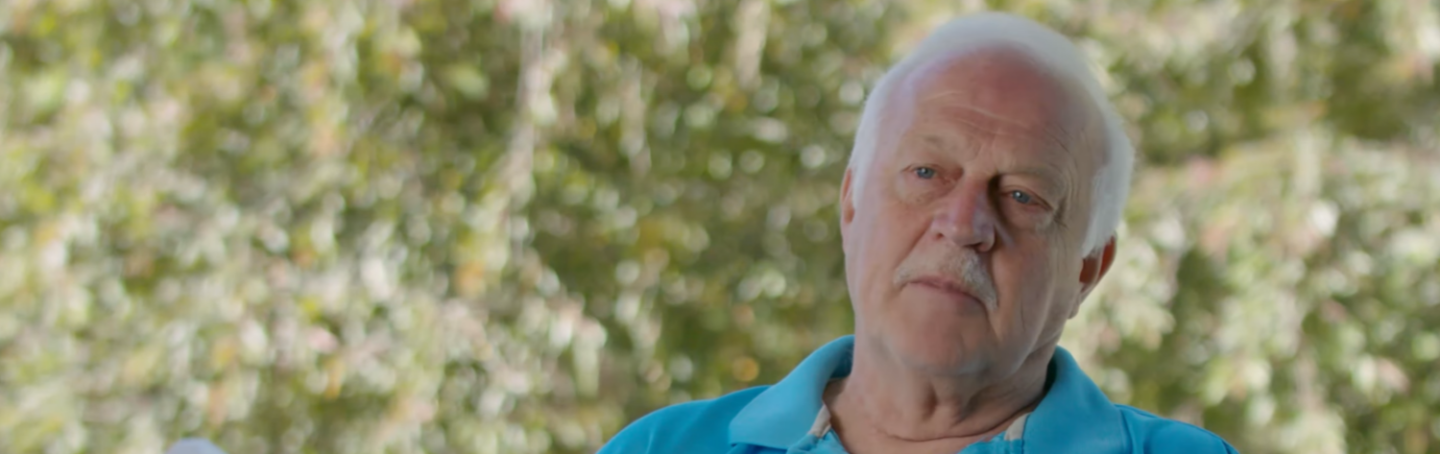
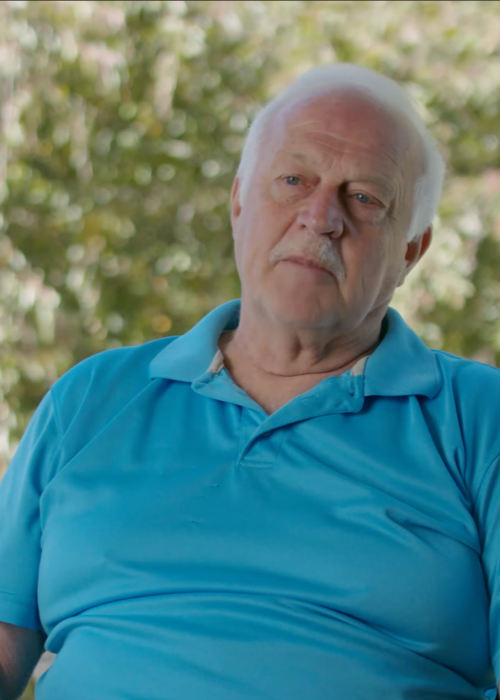
When we consider the future of elder care in America, we need look no further than Ken Friend, the subject of a recent documentary by IW Features, to recognize that we need to get serious about finding solutions that aren’t just creating another entitlement for aging Americans.
Friend, who lives alone in rural Pennsylvania, once employed 200 people and donated 60% of his earnings, all the while carefully putting away $300,000 for his retirement. But in 2012, a man struck him with his car in a Lowe’s parking lot, leaving Friend with narcolepsy and memory loss and disabling him.
As a result, Friend was forced to slow down and eventually sell off his businesses. He couldn’t continue paying for his healthcare coverage, and because he was disabled, he was forced to turn to Medicaid, which in turn forced him to drain his retirement savings for eligibility.
“They just want you to be as poor as possible,” he said.
Friend’s only consistent source of company is his service dog, and he has missed everything from doctor’s appointments to his grandson’s graduation because of his inability to drive after 5 p.m.
“Congress, when they put programs together, seem to put programs together with what they feel, not what American people should actually have or need,” Friend told IW Features.
Beyond the implication of Friend’s point—that one-size-fits-all government solutions rarely work—there is the looming reality of the national debt, which hit $40 trillion for the first time in August, and the fact that many of our elder-care entitlement programs are on the brink of collapse.
Social Security’s trust fund, for example, is projected to run out of reserves by 2032—just six years from now—as its costs exceed tax revenue, at which point the program will only be able to pay 78% of promised benefits. Medicare’s Hospital Insurance trust fund is set to become insolvent the following year, in 2033, meaning that there will be an automatic 11% cut in terms of money paid to hospitals and clinics that take Medicare patients—all of whom are definitionally 65 and older.
Making these programs viable again would require raising payroll taxes by 4.4% for Social Security and by 0.5% for Medicare. Especially for young, working people already struggling with affordability, this would not only be unpopular but would cut into economic growth and discourage work.
And the fact is: Friend doesn’t need another government program. What he needs is companionship and small tasks done around the home—not even necessarily round-the-clock medical care.
And yet the current system isn’t serving him, or the millions of seniors like Friend who are aging alone.
“What I actually probably need more than anything—this might sound kind of crazy—but somebody just to stop in and see how you’re doing,” Friend told IW Features. “I live alone, and I live out in the country, and I just need someone to make sure I’m still alive.”
He’s not asking for 40 hours of care, but for someone to help him around, to drive him to appointments when need be, and to check in on him. He’s one of the many seniors across the country whose needs vary enormously.
America needs more varied and innovative options that give seniors and their families greater choice. Even if we could afford it as a society, an impersonal bureaucracy from Washington would not take care of all of these varied needs, and would instead only press the pedal on the dehumanization and atomization already experienced by seniors aging alone.
One proposal that could expand the options available to many seniors without requiring a dime more in taxpayer dollars is the American Caregivers Act. As Independent Women’s Voice president of policy Heather Madden writes in a recent piece for The Hill, “The American Caregivers Act, a federal and state legislative model developed by Independent Women’s Voice…[would establish] a framework to allow seniors to host vetted college students who provide limited, non-medical assistance and companionship. Caregivers could help with meals, transportation, errands and light household tasks. In exchange, they would receive room, board and a stipend while continuing their college education.”
“This plan,” Madden continues, “would offer students an affordable place to live and meaningful caregiving experience while giving seniors and their families a lower-cost option for everyday assistance and companionship. The model draws on the sponsor-based framework used by the State Department’s au pair program, which has long connected families with vetted caregivers, while tailoring rules and protections to senior care.”
No single model will meet the needs of every senior, but solutions like this can be one piece of the puzzle, expanding the range of affordable, flexible options available to seniors and their families.
Ken Friend, like the rest of us, has spent years of his life paying into a system that isn’t serving him now, and never will be able to. We can care about seniors like him while controlling our spending and choosing a better model over creating yet another three-letter agency or program that makes promises it can’t keep.